Can a Privacy Fence Reduce Backyard Noise in Fox Point, WI?
Traffic, nearby activity, and neighborhood sounds can make it harder to enjoy a peaceful backyard. Learn how privacy fences can help reduce unwanted noise in Fox Point, WI, which materials and designs are worth considering, and what homeowners should know before investing in a quieter outdoor space.
A backyard should feel like an extension of your home, offering a place to relax, entertain guests, garden, or spend time outdoors. But when traffic, lawn equipment, nearby conversations, or other neighborhood sounds interrupt that experience, enjoying your outdoor space can become more difficult.
For homeowners in Fox Point, WI, a privacy fence may help create a more comfortable backyard environment. A well-designed fence can provide visual separation and reduce some direct sound, depending on the noise source, fence construction, and surrounding landscape.
However, there is an important distinction between reducing noise and completely soundproofing a yard. A typical residential fence will not eliminate every sound, especially low-frequency traffic noise or noise that travels over the top of the barrier.
Understanding what a fence can realistically accomplish will help you choose a design that improves privacy while making a worthwhile investment.
Can a Privacy Fence Actually Block Noise?
A fence can reduce some sound by obstructing the direct path between the noise source and the area where you want to relax. The effect depends on several factors, including the fence's height, density, continuity, and distance from the sound source.
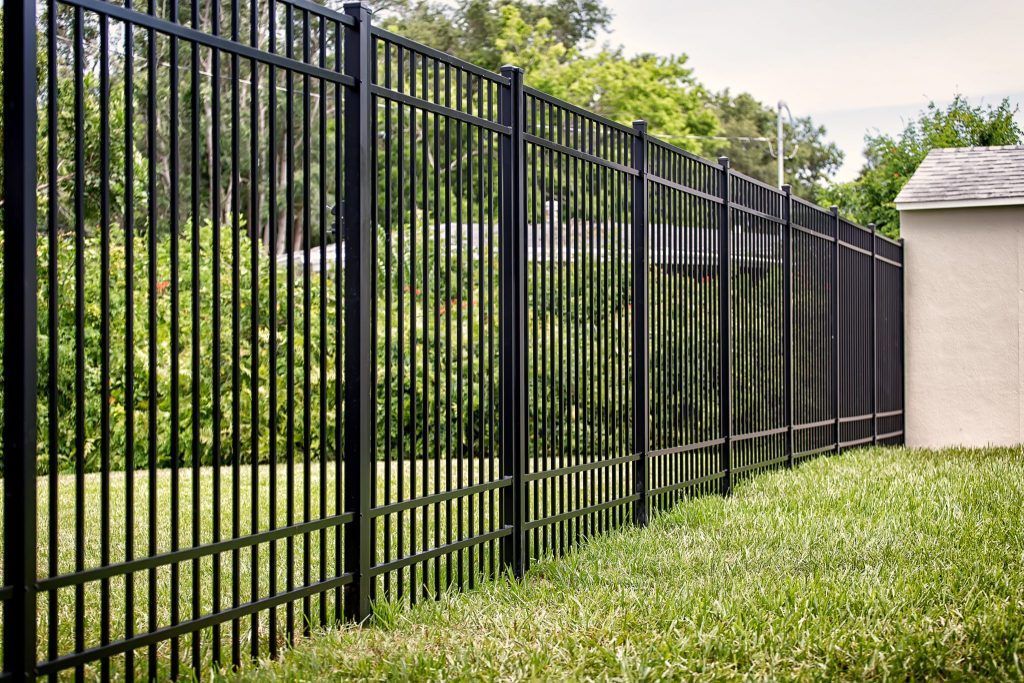
A solid fence generally offers better potential for reducing direct sound than an open picket or ornamental metal fence. Open designs allow sound to pass through the spaces between their components, limiting their effectiveness as noise barriers.
Even with a solid fence, sound can travel over the top, around the ends, and through gaps near the ground. The result is usually a reduction in some noise rather than complete silence.
This is why the right approach starts with identifying the sound that bothers you most. Occasional conversations from a neighboring patio present a different challenge from continuous road traffic or the low rumble of heavy vehicles.
1. Choose a Solid Fence Design
If reducing noise is a priority, consider a fence with closely fitted boards or solid panels rather than a design with large openings.
Wood Privacy Fencing
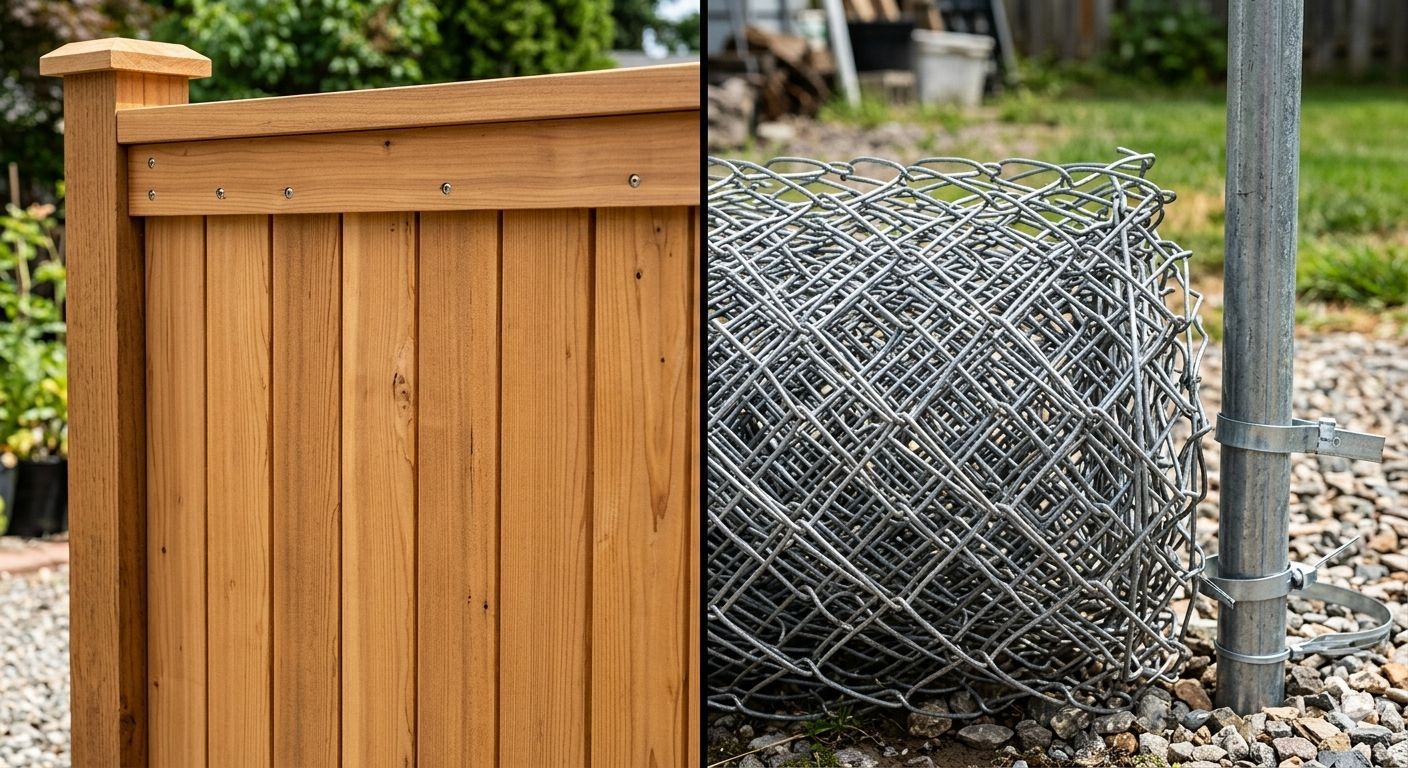
Wood privacy fences can provide a substantial visual barrier and may help reduce direct sound when built with tightly fitted boards and minimal gaps.
Their effectiveness depends on the overall construction. Loose boards, open spaces near the ground, and gaps around gates can allow sound to pass through.
Wood also offers flexibility in appearance, making it easier to coordinate the fence with your home's exterior and landscaping. However, it needs appropriate maintenance to help protect it from moisture and weather exposure.
Vinyl Privacy Fencing
Vinyl privacy panels provide a relatively uniform surface and do not generally require routine staining or painting. For homeowners who want a clean appearance with less refinishing, vinyl may be worth considering.
Not every vinyl fence is designed for noise reduction, though. Panel thickness, construction, fit, and gaps all matter. Ask about the product's structure and suitability for the intended installation rather than assuming that any solid-looking panel will perform the same way.
Composite Privacy Fencing
Composite fencing combines materials such as wood fibers and plastics, depending on the product. Some systems offer solid panels with a wood-inspired appearance and relatively low routine maintenance.
As with wood and vinyl, the noise-reduction potential depends on the completed barrier rather than the material name alone. Panel continuity, weight, height, and installation details should all be considered.
For any material, avoid choosing a fence based only on marketing claims about sound reduction. Request product-specific information if acoustic performance is a major part of your decision.
2. Fence Height and Placement Matter
A sound barrier works by interrupting the direct path between a sound source and the listener. The height and placement of a fence therefore influence how much sound reaches the area behind it.
A taller barrier may block more of the direct sound path, but increasing fence height is not always possible or permitted. Local zoning rules, property conditions, and the location of the proposed fence can limit the available options.
Placement also matters. A fence positioned close to the area where noise originates may perform differently from one located farther away. The best arrangement depends on the sound source, the location of your seating area, and the layout of the property.
Before choosing dimensions, consider where you actually spend time outdoors. If noise is most noticeable on a patio, for example, the fence layout should be evaluated in relation to that seating area rather than simply enclosing the entire property.
In Fox Point, check the village's current fence requirements before settling on a height, material, or location. A design intended to improve privacy still needs to comply with applicable local standards.
3. Eliminate Gaps Around the Fence
Even a substantial privacy fence can lose effectiveness when it contains openings that allow sound to pass directly through.
Pay attention to the following details:
- Spaces between boards: Closely fitted boards generally provide a more continuous barrier than widely spaced boards.
- Gaps beneath panels: Large openings near the ground can allow sound to pass underneath the fence.
- Gate openings: A poorly fitted gate can create a break in an otherwise solid fence line.
- Fence ends: Sound can travel around the ends of a barrier, particularly when the noise source is nearby.
- Damaged sections: Warped, missing, or loose boards can create openings that reduce the barrier's consistency.
A fence should be designed to accommodate the property's slope and drainage rather than simply pressed tightly against the ground. The appropriate bottom clearance and installation method depend on the terrain, product specifications, and site conditions.
A professional assessment can help identify the most practical way to reduce unnecessary openings without creating drainage problems or interfering with the fence's structure.
4. Combine Fencing With Landscaping
A fence and well-planned landscaping can make a backyard feel more private and comfortable, even when the reduction in sound is modest.
Trees, shrubs, and ornamental grasses soften the appearance of a fence and create a more natural transition between the yard and its surroundings. Dense plantings may also provide some limited acoustic benefit under certain conditions, but ordinary residential landscaping generally does not block substantial noise on its own.
Plant Shrubs Along the Fence
A row of shrubs can soften the visual impact of a solid fence and create a more secluded outdoor setting.
Choose plants that suit the amount of sunlight, soil conditions, and available space. Leave room for mature growth, pruning, and access to the fence for repairs.
Avoid allowing branches and vines to remain pressed against wooden panels for long periods, since trapped moisture can contribute to deterioration.
Use Layered Landscaping
Combining a fence with trees, shrubs, and planting beds can make the backyard feel less exposed. Different heights and textures also add visual interest without requiring the fence to become the dominant feature.
For the best result, plan the landscaping around the existing yard layout and the amount of space available. A narrow planting bed may improve appearance, while a deeper planting area offers more opportunities for layered greenery.
Remember that landscaping should complement a fence rather than serve as a guaranteed soundproofing solution.
5. Understand the Limits of Residential Sound Barriers
Before investing in a new fence specifically for noise reduction, it helps to understand what a typical residential installation can and cannot do.
Nearby conversations: A solid fence may reduce the direct sound from conversations, particularly when it interrupts the line of sight between the people talking and your seating area.
Lawn equipment: A fence may soften some of the direct noise from nearby mowers and other equipment, but the sound can still travel over and around the barrier.
Road traffic: Continuous traffic noise is more challenging because it can include low-frequency sounds that are difficult for ordinary residential fences to block effectively.
Noise from above or around the property: Sounds that travel over the fence or enter from an unblocked direction may remain noticeable even after installation.
If noise is a major concern, ask about realistic expectations before selecting a product. Specialized acoustic barriers differ from ordinary privacy fencing, and their suitability depends on the site, performance requirements, and applicable rules.
For particularly persistent noise, it may be worth evaluating other measures as well, such as the placement of outdoor seating, additional distance from the source where feasible, or improvements to windows and doors when indoor noise is the primary problem.
6. Consider Wisconsin Weather When Choosing Materials
A fence intended to improve backyard comfort still needs to perform well outdoors throughout the year.
In southeastern Wisconsin, seasonal temperature changes, rain, snow, and freeze-thaw cycles can place stress on fence materials and supporting posts. The product you choose should be suitable for these conditions, and the installation should follow the manufacturer's specifications.
For wood fencing, ask about appropriate treatment, drainage, and protective finishes. Vinyl and composite products should be evaluated for their recommended temperature range, movement allowances, and installation requirements. Metal components should have suitable corrosion protection.
Maintenance is also important. Inspect posts, panels, gates, and fasteners periodically, particularly after winter. Repairing loose boards or damaged sections helps preserve the fence's appearance and its ability to function as a continuous barrier.
A well-maintained fence is more likely to continue meeting your privacy goals than one with neglected damage and growing gaps.
7. Plan the Project Around Fox Point's Fence Requirements
Before installing a privacy fence, confirm the rules that apply to your property in Fox Point.
The village's fence regulations address factors such as height, materials, placement, design, and maintenance. Some proposed designs may require additional review, so homeowners should not assume that a fence permitted in another municipality will automatically be allowed in Fox Point.
Start by identifying the purpose of the fence, the proposed location, and the level of privacy you want. Then review the current village requirements before purchasing materials or scheduling installation.
You can begin with the official Village of Fox Point website and contact the appropriate village department to confirm the requirements for your specific project.
Planning ahead helps you avoid selecting a fence that needs to be redesigned after the work has already been arranged.
Is a Privacy Fence Worth It for a Quieter Backyard?
A privacy fence can be a worthwhile investment if your goals include creating visual separation, defining your outdoor space, and reducing some direct neighborhood noise. A solid design with minimal gaps generally offers better potential for sound reduction than an open fence.
However, a standard residential fence should not be treated as a complete soundproofing system. Its effectiveness depends on the type of noise, fence height, material, construction, and placement.
Start by identifying the sounds that bother you most and the areas of your yard where you want greater comfort. Compare solid fence options, consider complementary landscaping, and ask for realistic guidance about what each design can achieve.
Foxpoint Fence can help you explore privacy fence options that complement your property and outdoor living goals. With careful planning, suitable materials, and a design that fits your yard, you can create a more secluded space for relaxing and enjoying your home.